Class Hours: 10:05 – 2:40
Mr. Bohmann | wbohmann@ewsd.org
10:05 Today’s Notes & Attendance

Wacky Wednesday
- CCV Class Friday – Lunch order on yesterday’s dayplan
- Personal Logo Showcase is due tomorrow!
- SLC Meeting today – Joshua 11:35am – bring the prize (remind me)
- Next Friday is the midway of the first quarter already!

10:10 Gallery Walk – What’s Up With That
Let’s figure out what’s up with the photos scattered about the room. We’ll use our new photography vocabulary to assist with our explanations and descriptions. You will be working with a partner. I’ll assign the partner 🙁


With whatever time we have left, work on your personal logos – plan to present them to us tomorrow
10:50 Morning Break (10 minutes)

11:00 Fundamental Programming with C# & Unity

Each Wednesday we’ll do a little programming to get more familiar with the Unity interface and help each of you get more comfortable with game programming. This practice will translate well when we get to SkillsUSA work and our full game unit next semester. I promise to keep the coding manageable!
Let’s look through our development environment, Unity, Asset Store and some basic programming. No heavy lifting today. We’ll also look some variable basics like bool, int, string and float.
All of our Game Objects have data attached to them. The Transform of a gameObject has 9 pieces of primitive data – like location of x, rotation of z and scale, etc….
We can store information about game object values to calculate health, score points, among other game play options. Each value can be stored in a uniquely named storage area called a variable.
A variable is defined with a specific data type (such as int or float) and a name such as myScore or player1Health. You can change the variable’s contents while the program is running – that’s why it’s called a “variable”. We used lots of variables to store data.
Public variables are accessible from game play and from other scripts. Private variables, which is the default for variables are available only for that script.
[SerializeField] is a private variable type but is available from game play to adjust while testing. More on this later.
We already know that we use variables to provide more code flexibility. In many cases we may want to store mathematical operations in a variable. Let’s look at some common math operations.
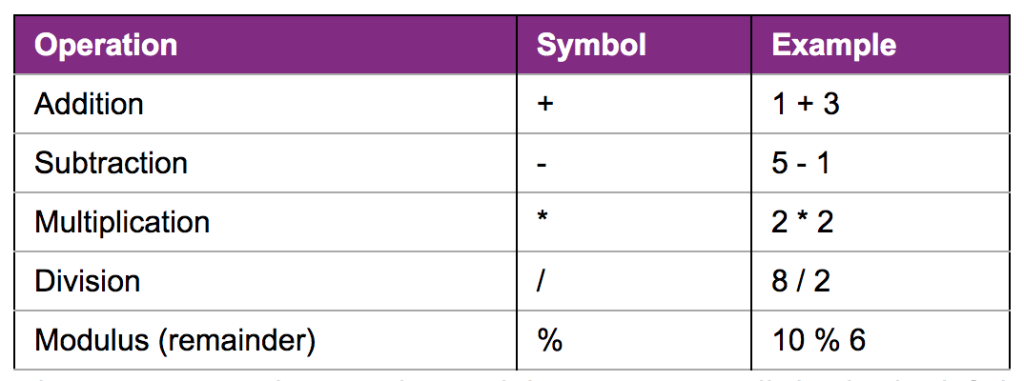
int added = 3 + 4;          // added is 7
int subtracted = 3 - 4;     // subtracted is -1
int multiplied = 3 * 4;     // multiplied is 12
int divided = 12 / 4;       // divided is 3
int remainder = 12 % 5;     // remainder is 2
11:35 Lunch

12:45 Independent Production & Guided Support
- Personal Logo Sketches – 5Pack due Thursday, September 17th
- Shooting a Feature – due September 22nd (Filename: Shooting_a_Feature_lastname.jpg)
- Agency Week Three – due September 22nd (filename: week3Agency_lastname)
- Round 2 of Sweatshirt Designs
- Johsua
- Isaac
- Sawyer
- Sweatshirt Color Survey
- Find Five Printer/Vendors
1:00 Afternoon Break
1:15 Dailies

1:15 Independent Reading

1:45 Dismissal