Class hours: 10:05 – 2:45
Mr. Bohmann | wbohmann@ewsd.org
10:05 Today’s Notes & Attendance
- Wacky Wednesday
- Pop-Up Shop will be open this Thursday & Friday 8:30-3:15 for some clothes shopping (CTE conference room) Free Stuff
- Illuminated Rocky Paths are past due – yes you might only have one monitor (sad faces)
10:05 The Software Development Life Cycle
Remember Making Paper Airplanes…
The development cycle for software is designed to help bring your ideas to reality. There are many types of development cycles (ADDIE, Waterfall, Spiral, Agile etc…). Some companies subscribe to one or more cycles to complete their projects. Whichever you learn / use, you will find that there are similarities among them.
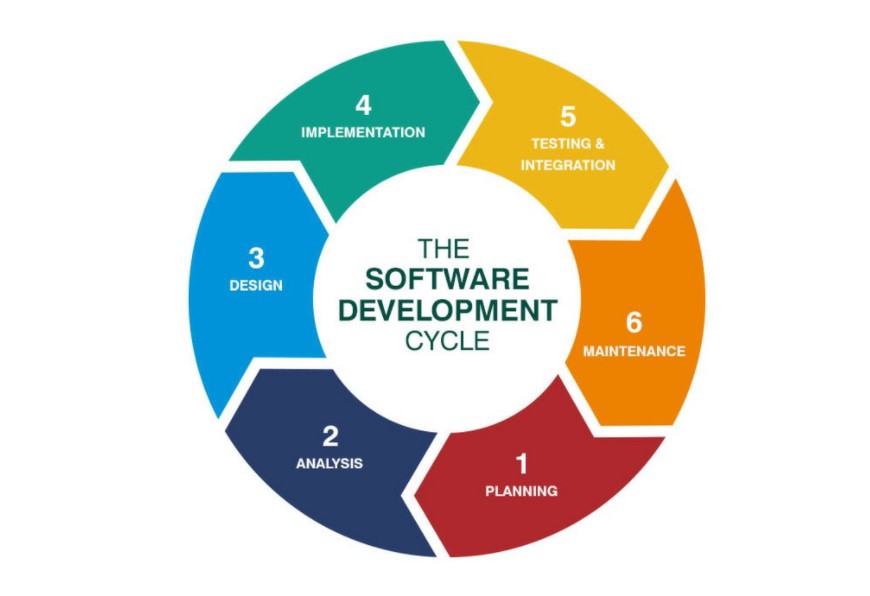
The purpose is to work through an iterative process (design, implement, test) to get the best product. Remember the ET game? Not too much iterative design and the result is the Worst Video Game ever award.
The visual above outlines a very popular development cycle. Google “Game Development Cycles” or something close to that. Look at the image results….
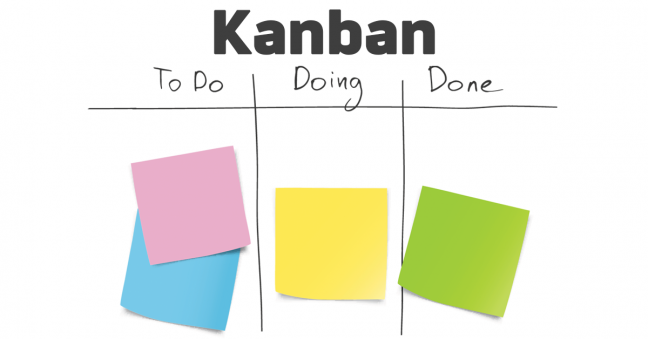
Planning: brainstorming, storyboarding, discussing, writing and idea generating – who does what work, what work needs to get done, KanBan and Trello type boarding
- Brainstorming
- Prototyping / Storyboarding
- Game Proposal (Game Design Document) usually lives in this stage
- Feedback/Discussion with others to improve planning
ADDIE Approach
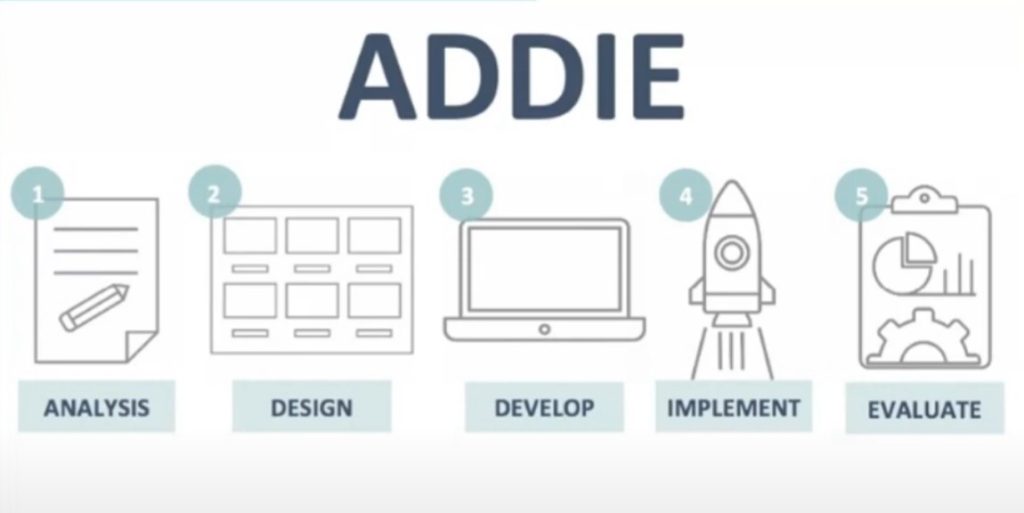
Analysis: What will the game/player do. What are the goals in this stage, level, prototype. What assets and elements are needed for this project cycle. List all of the features of the game. Do you need music, sounds, art, what types to make your game authentic
Design: For some this is the fun part (or not). Sketching, coding, creating, developing the parts related to this development cycle. For example, one development cycle may be just on the player. So how big is the player, what does it do, look like, move, game mechanic. Describe what you code needs to do.
Implementation: Write and create the code / level / etc…described by your design so you have something to test at the next stage.
Testing: This is where the minimum viable product can be delivered and we can try out with users to find out if the other stages are represented here. By testing, we can save a lot of development time. Run your program and test all features to make sure they work.
Maintenance: If you find problems, you need to return to earlier stages to correct them, and then re-test. Debugging, updating, recording user feedback

10:30 The Game Design Document
A game design document (GDD) is a software design document that serves as a blueprint from which your game is to be built. While your game may change during development, the GDD serves as a guide for you and others on your design/development team. You are familiar with Game Design Documents from your work last year and this year.
A GDD is a good way to map out your vision for your game.
What to include on your GDD? Well, here is a very nice example of a Game Design Document – Silent Hill
Now that we are warmed up, lets begin our next and last big item in GAWD2
10:40 GAWD Fun Games Studio – Final Project!
Our final GAWD2 project of the year will be your very own game. During the 2.5 weeks left for this quarter you will use this space and all of the equipment and resources you need to build a great game of your own. You may work in a team (up to 2 people) or you may work alone.
(disclaimer: if you are part of a team and are not fully subscribed, I will assign additional game dev work to you) Historically teams have been less successful than individuals (attendance issues mostly)
You will create one playable game in 2D or 3D using the Unity or Unreal game engines. Your choice when making a game should be something that you can accomplish or will stretch you a bit. You will find and figure out the systems and problems you incur. I will help where I can with your project but I won’t code it for you.
Given the time you have, working prototypes are desirable. Translation-don’t spend a week on a nice looking set of assets that have little impact on the playability of the game. Level Design before Environmental Design! Use each other as resources for idea generation.
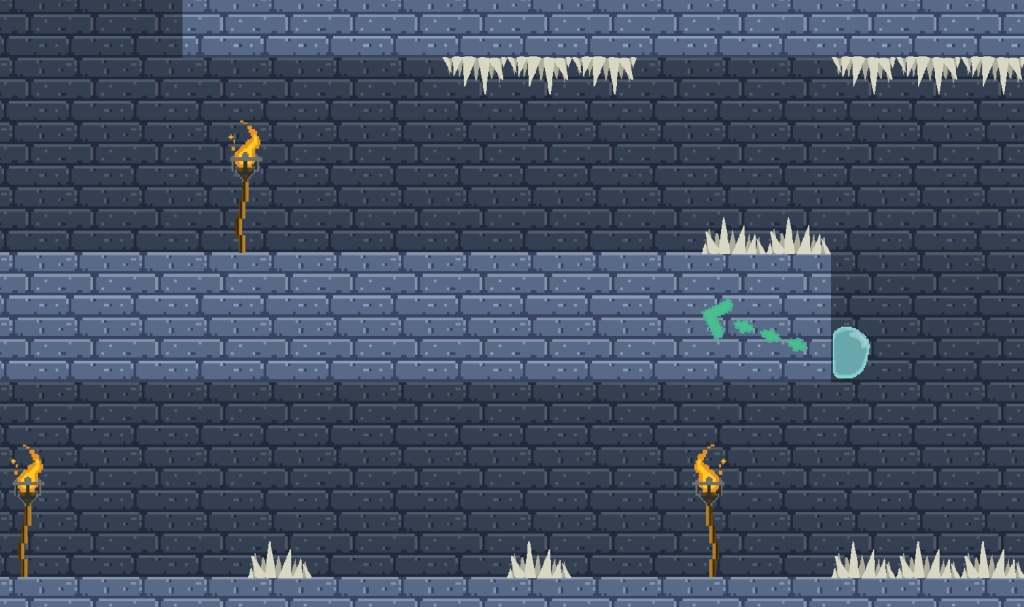
For your game – there must be some kind of gameplay – think the games we started in class: pinball, Ziptown, SkySweeper and Arkanoid. With each game we designed, we were able to quickly play with some objective and some win/lose conditions. Our games were super prototypes, but they had lots of possibilities and served as a good place to test out some code and code concepts.
| Date | Week | Deliverable | Software Development Cycle |
|---|---|---|---|
| May 20th – 22nd | (One) This Week | Project Intro, Game idea generation, pre-planning Game Design Document | Planning |
| May 26th – 29th | Two | Asset creation / Coding GUI, Movement, Core Mechanics | Analysis / Design Design / Implementation |
| June 1st– June 5th | Three | Prototype with game play | Testing/Maintenance / Publishing/Evaluation |
| June 4th | Three | Game Jam | Evaluation |
| June 5th | Three | Presentation to Class | Evaluation |
Deliverables:
In the process of building your game, you will use a Trello board to track and share your progress. Each week there will be updates from you on the status of your deliverable. If you work alone, you will provide the update. If you are a team, you will update together. I will use the big white board to track your progress.
Every game will have a Trello board. It will count as 100 points. You’ll earn full points for being detailed and less points for less detail!
Every game will have a Game Design Document. It will count as 100 points. You’ll earn full points for a nicely well thought out document with no typos, errors and grammatically error free. I’ll provide you with a template. Have someone proofread your work. (sounds like an item to put on your Trello board)
Every game will be tested to provide user feedback. That feedback will be summarized with actionable steps. It will count as 100 points. You will create the summary and actionable steps on a google doc.
Every game will be scored for playability. It will count as 100 points. If we can play it and the game has some objective with Win / Lose conditions you may earn up to full point value.
Every game will be published on Unity.Play or .exe game. It will count as 50 points. Full credit for publishing, no credit for not publishing.
Every game will is required to have a Home Screen and a Credits screen in addition to the game play. It will count as 100 points. The nicer the UI and the inclusion ( game over, score, health, damage and other UI elements) is desirable. However, an effective UI is what you are after.
Game Salesperson. You are the ambassador for your game. As game ambassador, you can earn up to 50 points for being able to speak about and sell your game to others. This can be demonstrated when telling others about your game during game testing and during updates.
I’ll write up a rubric for this project. Total points: 600 points!
All Games must be complete for grading on Friday, June 5th
We will have an official game jam and invite others to enjoy our games too.
This Week Deliverables:
- Are you on a team or working solo – Tell me by the start of the Day Thursday.
- Trello board shared with me (one Trello board per game)
- The best approach is to list all of the things you can think of in your To Do column
- I’d start by writing the deliverables above (and then all the tasks that go with it!)
- Most Trello boards don’t have enough detail!
- Game Design Document – rough draft (Friday) with working title of your game
- Project Creation in Unity (or Unreal)
GDD template that you may use
10:50 Morning Break (10 minutes)

11:00 Space Sentry – Follow Up
While this game is off the table – I will add an extra bonus point to everyone’s grade for the end of the quarter for making another round of revisions. That means that if your quarter grade was a 92, it would change to a 93. That’s the difference of a half of a grade (A- to an A).
With your team…. Agree on 3 things to add to the game. Then devise a plan on how to implement.
Consider this your work session….
11:35 Lunch

12:05 Let the Games Begin
This is your work session to build momentum for your game. This hour of planning will set up the success of your final game. I highly recommend brainstorming and idea generating. After that, write up every detail you can think of that needs to get done – that is the ToDo list for your Trello boards.
1:00 Afternoon Break (15 minutes)
1:15 Dailies
1:20 Independent Reading